
















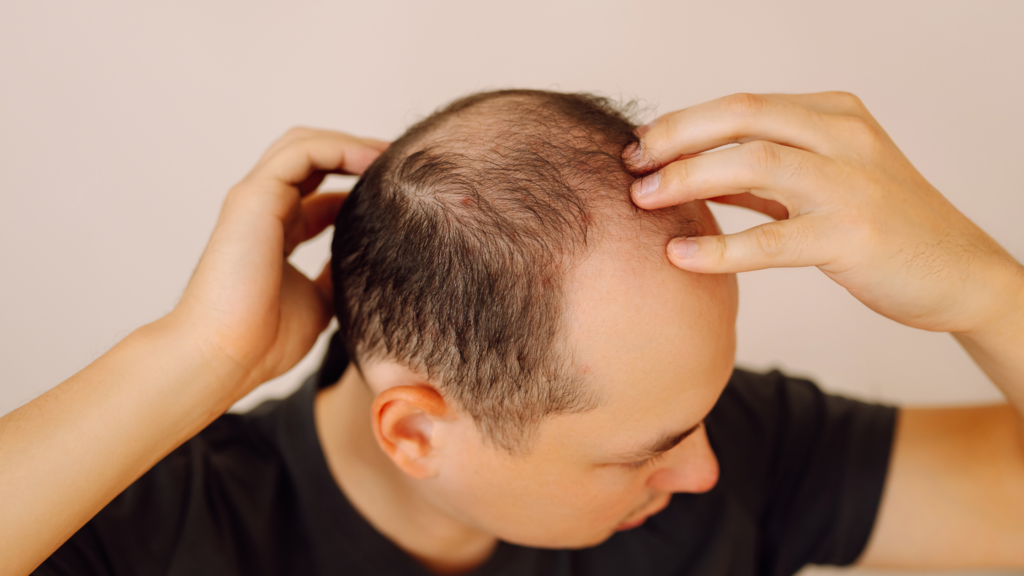
Yes, PRP can help with genetic hair loss, but expectations must be realistic. PRP works best for slowing progression and maintaining existing hair rather than reversing advanced hereditary baldness. Understanding what PRP can and cannot achieve for familial hair loss helps you make informed treatment decisions.
Understanding Genetic Hair Loss
Androgenetic alopecia results from genetic sensitivity to dihydrotestosterone (DHT). Hair follicles programmed to respond to DHT gradually miniaturise and weaken over time. Multiple genes from both parents influence susceptibility, with strong family history indicating significantly elevated risk.
Untreated genetic hair loss typically worsens gradually over decades. The rate varies dramatically, with some experiencing rapid progression in their 20s whilst others maintain density into middle age. This variability makes early intervention valuable for aggressive thinning.
How PRP Works for Genetic Hair Loss
PRP addresses genetic hair loss through growth factor delivery that counteracts some miniaturisation mechanisms. Understanding PRP’s biological effects helps set appropriate expectations.
Growth Factor Mechanisms
Concentrated platelets release growth factors including PDGF, VEGF, and EGF that stimulate cellular activity in hair follicles. These factors promote angiogenesis (blood vessel formation), reduce inflammation, and prolong the anagen (growth) phase. For genetically thinning hair, this intervention helps follicles resist miniaturisation signals from DHT.
Limitations Against DHT
PRP cannot eliminate DHT or change genetic programming that makes follicles sensitive to this hormone. PRP provides supportive growth signals but doesn’t address the underlying hormonal cause. This explains why PRP works best for maintaining and modestly improving existing hair rather than reversing extensive loss.
Realistic Biological Effects
Clinical studies show PRP increases hair density by 15-30% on average in genetic hair loss patients. Results typically involve thicker hair shafts and reduced shedding rather than dramatic new growth. Most patients notice improved hair quality and volume rather than coverage of completely bald areas.
Success Rates for Hereditary Hair Loss
Research and clinical experience provide evidence on PRP effectiveness for genetic hair loss. Understanding these outcomes helps form realistic expectations.
| Hair Loss Stage | PRP Success Rate | Typical Outcomes |
| Early thinning (Norwood I-III) | 70-80% | Noticeable thickening, reduced shedding |
| Moderate loss (Norwood IV-V) | 50-60% | Stabilisation, modest improvement |
| Advanced loss (Norwood VI-VII) | 20-30% | Minimal benefit, poor candidate |
Early Stage Results
Patients with early genetic thinning show the best PRP responses. Studies demonstrate 70-80% of early-stage patients achieve meaningful improvement defined as increased density or reduced progression. Starting PRP when follicles remain largely active produces superior outcomes compared to delayed intervention.
Moderate Stage Outcomes
Moderate hair loss patients show more variable results. Approximately 50-60% achieve stabilisation or modest improvement, whilst others show minimal response. At this stage, combining PRP with medications like finasteride typically produces better results than PRP alone.
Advanced Loss Limitations
Patients with extensive baldness and smooth scalp areas show poor PRP responses. Only 20-30% report any benefit, typically limited to surrounding hair quality rather than regrowth in completely bald zones. At advanced stages, hair transplantation becomes the more appropriate primary solution.
PRP vs Medications for Genetic Hair Loss
Understanding how PRP compares to established medical treatments helps determine optimal approach. Different treatments work through distinct mechanisms.
Finasteride and Dutasteride
DHT-blocking medications address the hormonal cause of genetic hair loss by reducing DHT production. These prove highly effective at slowing progression in 85-90% of users. However, some men experience side effects or prefer avoiding long-term medication, making PRP an attractive alternative or complement.
Minoxidil Comparison
Topical minoxidil increases blood flow and extends growth phase through different mechanisms than PRP. Studies suggest minoxidil and PRP show comparable effectiveness for early hair loss, each producing 15-30% density improvement. Many patients use both together for synergistic benefit.
Combination Approach
Research increasingly supports combining PRP with medications for superior outcomes. Patients using finasteride plus PRP typically show 30-50% better results than either treatment alone. Medications address hormonal cause whilst PRP provides growth factor support, creating comprehensive intervention.
Timing and Prevention
Starting PRP during early thinning slows genetic progression more effectively than delayed treatment. Patients with strong family history who begin at first signs often maintain density for years. However, PRP requires ongoing maintenance every 4-6 months indefinitely. Stopping treatment typically results in gradual return to genetic baseline within 12-18 months.
Combining PRP with Other Treatments
Multimodal approaches typically outperform single treatments for genetic hair loss. Strategic combinations address multiple pathways.
PRP Plus Finasteride
This combination addresses both hormonal cause and follicle support. Finasteride blocks DHT whilst PRP provides growth factors, creating comprehensive intervention. Studies show this combination produces significantly better outcomes than either treatment alone, particularly for moderate hair loss.
Adding Minoxidil
Triple therapy (finasteride, minoxidil, PRP) represents the most comprehensive non-surgical approach for genetic hair loss. Each component works through distinct mechanisms, providing cumulative benefit. This aggressive approach suits patients with strong family history seeking maximum protection against progression.
Exosome Enhancement
Some clinics now add autologous exosomes to PRP for enhanced regenerative signalling. Whilst research remains limited, preliminary results suggest modest additional benefit. This advanced approach may suit patients seeking cutting-edge intervention for aggressive genetic hair loss.
Setting Realistic Expectations
Managing expectations proves crucial for satisfaction with PRP outcomes in genetic hair loss. Understanding likely results prevents disappointment.
What PRP Can Achieve
For early genetic thinning, expect thicker hair shafts, reduced shedding, and 15-30% density improvement. Hair may feel fuller and healthier even if new growth remains modest. These improvements can make significant cosmetic differences, particularly for women with diffuse thinning.
What PRP Cannot Do
PRP cannot restore completely bald areas where follicles have died. It won’t produce hairline changes or dramatic regrowth in long-standing bald patches. PRP fundamentally maintains and modestly improves rather than transforms extensive loss.
Timeline for Results
Most patients notice reduced shedding within 6-8 weeks of starting treatment. Visible density improvement typically appears around 3-4 months. Maximum benefit usually occurs at 6-12 months with consistent treatment. Understanding this timeline helps maintain realistic expectations during early treatment.
Cost and Lifestyle Considerations
Initial treatment involves 3-6 sessions at £295-£850 per session, totalling £885-£5,100. Maintenance treatments every 4-6 months cost £590-£1,700 annually. Over decades, this represents significant investment requiring financial planning.
Lifestyle factors significantly affect outcomes. Alcohol impairs platelet function and healing responses. Smoking damages blood vessels and reduces follicle oxygenation. Optimising nutrition, managing stress, and avoiding these habits enhances PRP effectiveness.
Conclusion
PRP can help genetic hair loss, particularly when started early and combined with medications like finasteride. Realistic expectations focus on maintaining existing hair and achieving 15-30% density improvement rather than reversing extensive baldness. For patients with strong family history and early thinning, PRP represents a valuable tool for slowing progression and improving hair quality.
Frequently Asked Questions
Can PRP stop genetic hair loss completely?
No, PRP cannot completely stop genetic hair loss because it doesn’t eliminate DHT or change genetic programming. PRP can significantly slow progression and maintain density, but genetic factors continue influencing hair over time. Most patients experience reduced shedding and improved quality rather than complete halt of miniaturisation.
How many PRP sessions do I need for genetic hair loss?
Initial treatment typically requires 3-6 sessions spaced 4-6 weeks apart. After achieving improvement, maintenance treatments every 4-6 months continue indefinitely. Stopping maintenance allows genetic hair loss to resume progression, so long-term commitment is essential.
Should I do PRP or take finasteride for genetic hair loss?
Finasteride addresses the hormonal cause of genetic hair loss, making it highly effective for 85-90% of users. PRP provides supportive growth factors but doesn’t block DHT. Combining both typically produces superior results to either alone. If choosing one, finasteride usually proves more effective for preventing progression.
Will PRP regrow hair in completely bald areas?
No, PRP cannot restore completely bald areas where follicles have died. PRP works only on miniaturised but still-living follicles. For extensive baldness with smooth scalp, hair transplantation represents the more appropriate solution, potentially with PRP as adjunct therapy.
Does PRP work better for men or women with genetic hair loss?
PRP effectiveness relates more to hair loss pattern than gender. Women with diffuse thinning often show excellent responses as more follicles remain active. Men with extensive baldness show poorer responses. Both genders achieve best results when treatment begins during early thinning stages.
How long do PRP results last for genetic hair loss?
Initial improvements typically last 12-18 months after completing the initial treatment course. However, genetic hair loss continues progressing without ongoing treatment. Maintenance sessions every 4-6 months sustain results indefinitely, but stopping treatment allows gradual return to genetic baseline.
Can I just do PRP once and maintain results?
No, genetic hair loss requires ongoing treatment for sustained results. Single PRP courses produce temporary improvement that gradually fades as genetic factors reassert influence. Think of PRP like gym membership: benefits require continued participation, not one-time effort.