

















Uncategorized
Beyond the Steroid Injection: How Aerolase Laser Is Changing the Way We Treat Acne
A Clinical Perspective from Rejuvence Clinic The Acne Problem Acne is one of the most common reasons people come to see us, and it is

A Clinical Perspective from Rejuvence Clinic The Acne Problem Acne is one of the most common reasons people come to see us, and it is

A Clinical Perspective from Rejuvence Clinic Alopecia areata is one of the more distressing conditions we treat, and one of the most misunderstood. Unlike pattern

A Clinical Perspective from Rejuvence Clinic The Rapid Growth of IV Drips Few wellness treatments have grown as quickly, or attracted as many bold

Untreated keloids progressively worsen over time, with 80-90% continuing to grow indefinitely. Size increases, symptoms intensify, and psychological impact deepens without intervention. Unlike normal scars

No, steroid injections provide temporary keloid improvement rather than permanent flattening. Most patients experience 60-80% reduction in keloid size with regular injections, but keloids typically

Yes, headaches occur in approximately 10-15% of PRP patients, typically developing within 24-48 hours post-treatment. Most headaches resolve within 3-5 days without intervention, representing
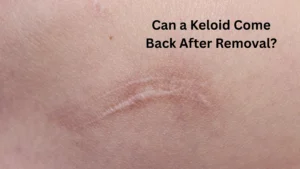
Yes, keloids frequently recur after removal, with 50-80% recurrence rates depending on treatment method and post-treatment care. This high recurrence distinguishes keloids from normal scars
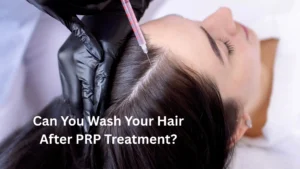
Yes, you can wash your hair after PRP treatment, but wait 24-48 hours before the first wash. This allows platelet-derived growth factors to penetrate scalp
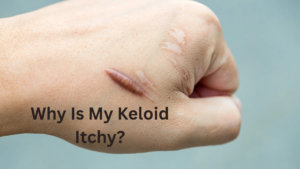
Keloid itching represents one of the most distressing symptoms patients experience, often worse than the appearance of the scar itself. Persistent itching develops from chronic
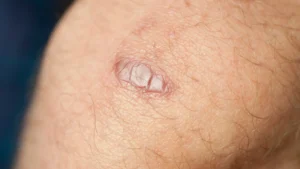
Yes, keloids do change colour over time, though patterns differ significantly from normal scar healing. Most keloids start red or pink then darken to purple,