












Keloid & Hypertrophic Scar Treatment, London

‘Europe’s Leading Clinic for Keloid Treatment’
Specialist doctors treating thousands of keloids with advanced lasers, expert surgery and medical therapies—all in a safe, trusted environment for every skin type.
Keloids and hypertrophic scars can be extremely distressing for those who suffer with them. They are often extremely difficult to treat and can be the source of embarrassment especially if they are in easily visible areas. At Rejuvence we do not claim to have a magic cure for keloids and hypertrophic scars but we do offer a range of keloids scar treatments in London that can help.
Injectables start from £100
Laser Treatment starts from £200
What are keloids?
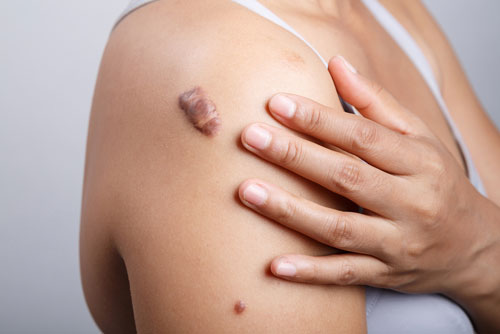
Hypertrophic and keloid scars develop as a result of an overgrowth of collagen over cuts and wounds. Keloids can develop from acne or chicken pox scars. They can also develop following procedures such as general & cosmetic surgery, piercings, and even after shaving. Keloids can also occur after treatments such as aggressive lasers or deep chemical peels. Hypertrophic scars are raised scars that remain within the boundaries of the original skin break. Keloids are defined as raised scars that extend beyond the borders of the original cut or wound. They can grow to significant size and can also be associated with itching, pain and recurrent infection.
Where do keloids normally occur?
Keloids can occur anywhere on the body. Keloids resulting from acne typically develop on the face, neck, chest, shoulders and back. Chicken pox and vaccination scars that develop into keloids typically occur on the shoulders. Keloids developing on the back of the scalp, beard region and pubic areas such as bikini region are normally associated with ingrown hairs following shaving. Specific cosmetic surgical procedures such as breast reductions, tummy tucks and liposuction can result in keloid scars. Piercings can also trigger keloid formation, notably on the ears, chest and belly button. The location of the keloid greatly influences treatment protocols.
Who are most likely to develop keloids?
Keloid scars are more common in darker skin types (IV – VI) and especially amongst those of Asian, South Asian and Afro-Carribean descent. These patients tend to have a genetic predisposition to keloids. However, keloid scarring is not exclusive to these groups of patients. Keloid scars can occur in any ethnicity. They are more likely to develop where there is chronic infection, delayed healing of cuts and wounds and on specific parts of the body such as infected ear piercings. Appreciation of differences in skin type between the different ethnicities is extremely important when it comes to planning treatment protocols.
- Steroid Injection – £115 (up to 1ml)
- Steroid Injection – £175 (up to 2mls)
- Steroid Injection – £225 (up to 3mls)
- Steroid Injection w Target Cool – £155 (up to 1ml)
- Steroid Injection w Target Cool – £225 (up to 2ml)
- Steroid Injection w Target Cool – £275 (up to 3ml)
- Flurouracil (5FU) – £165 (per session)
- Flurouracil (5FU) & Steroid Injection – £245 (per session)
- Nd:YAG Laser – from £200 (per session)
- Exciplex – £45 per session
- Cryotherapy – £150 (1 ampule) per session
- Cryotherapy w Target Cool – £200 per session
- Surgical Excision – POA
Where is your Keloid?
What treatment options are available for keloid scars?
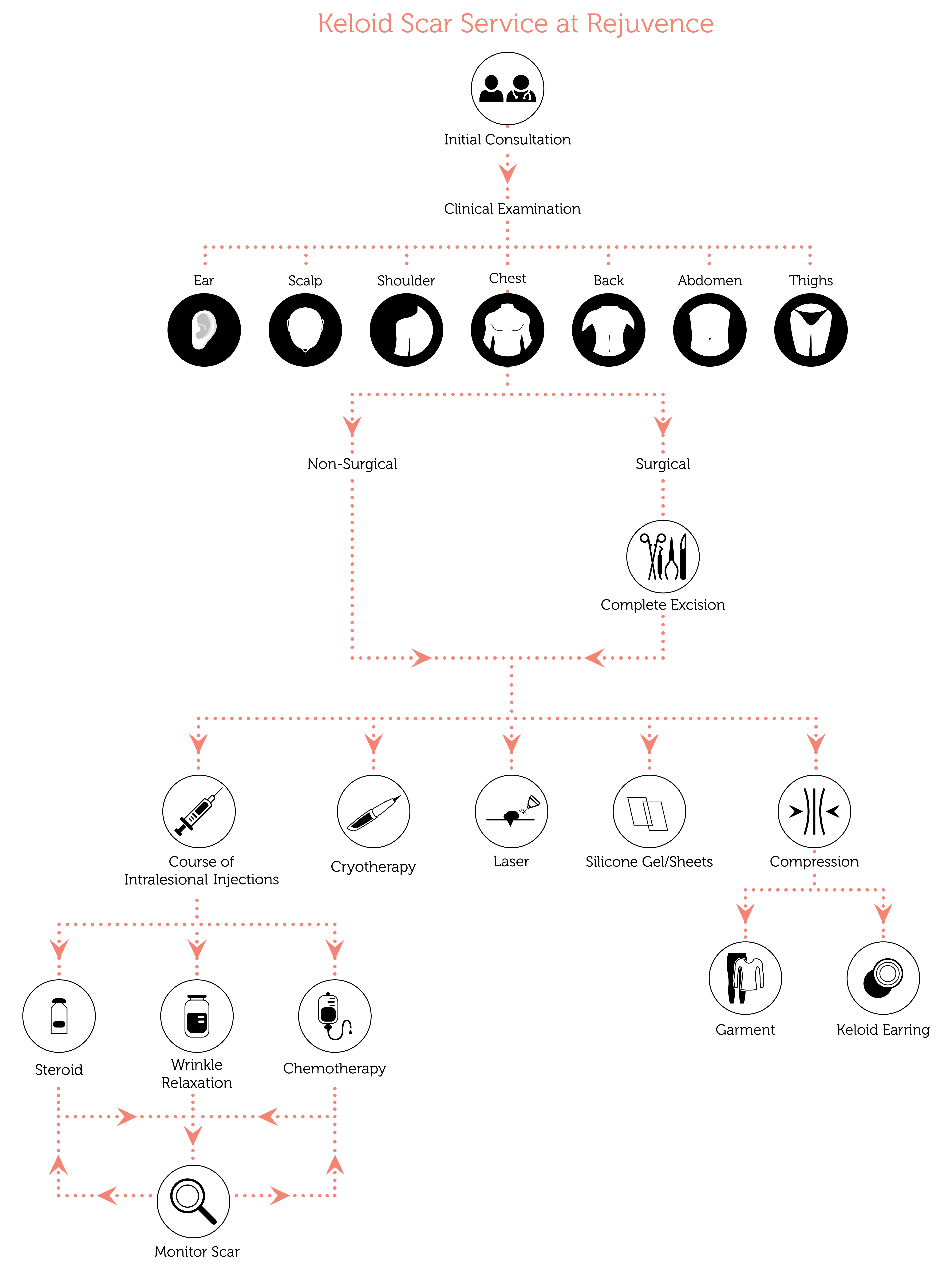
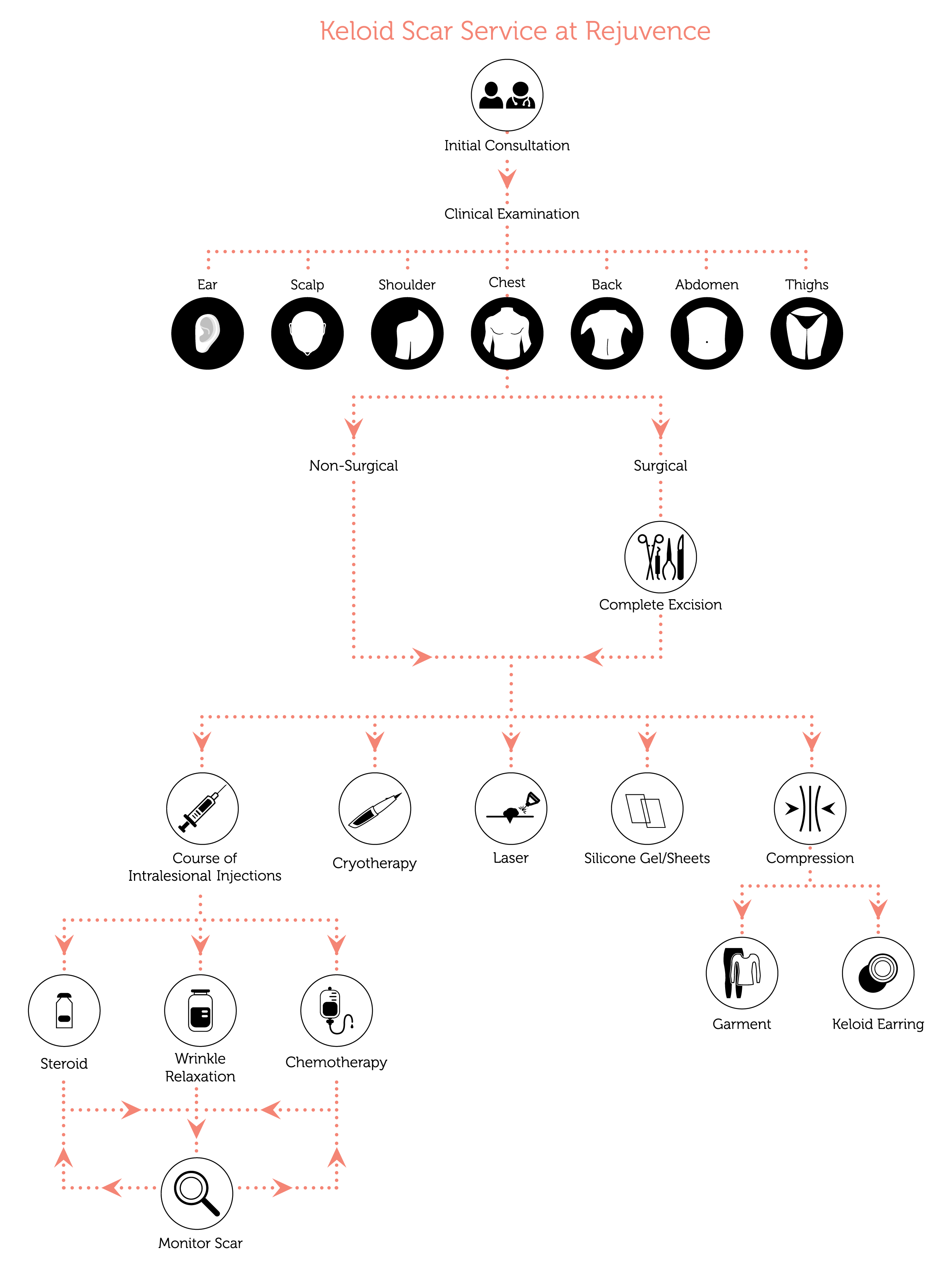
Treatment options for keloid scars can be categorised into non-surgical and surgical. The choice of keloid treatment is often dependent upon the anatomical location, cause, ethnic background and the success and/or failure of any previous treatments. Non-surgical treatments are delivered intralesionally (injections directly into the scar) or on the surface. Non-surgical treatment options consist of intralesional steroid injections, chemotherapy (5-FU), wrinkle relaxing toxins, YAG Laser and surface or intralesional cryotherapy. Surgical treatments consist of shave excision, elliptical excision and core excisions.
Adjuvant treatments that help to prevent recurrence following definitive treatment include the use of silicone gel massage, silicone strips, steroid strips, compression garments, compression earrings and even radiotherapy. Behavioural changes are also needed alongside excellent compliance with treatment recommendations. Combinations of different treatments tend to work better than single stand alone approaches.
In addition, an appreciation of ethnic background is essential as there are significant differences in response to treatment amongst different ethnicities. Above all the aim of treatment is most important. Often itching, increased sensitivity and even pain can be more debilitating than the physical appearance of a keloid scar.

Flexible payment options for surgical treatment – 0% APR available. Spread the cost of your treatment today!
Terms and Conditions apply. *Acceptance subject to credit status.
Flexible payment options for surgical treatment – 0% APR available. Spread the cost of your treatment today!
Terms and Conditions apply. *Acceptance subject to credit status.
Keloid Scar Treatment at Rejuvence Clinic
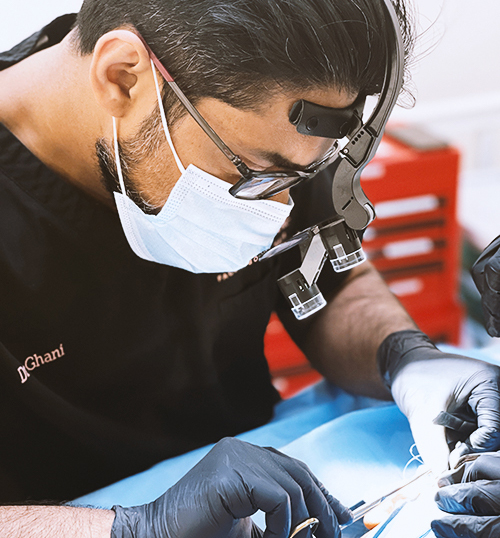
At Rejuvence we have experience in treating clients who suffer with troublesome keloids. We are able to provide a course of steroid injections in combination with YAG laser. We are also able to carry out surgical excision of the keloids and recommend a combination of steroid injections afterwards along side compression bandaging (depending upon where the keloids are) and silicone gel and strips. We advocate the use of steroid strips in certain ethnic backgrounds for colour matching. We are also very experienced in dealing with the complications of treatment such as skin atrophy, hypopigmentation and keloid recurrence following surgery. We have had excellent results but always advise our clients that there is a high risk of recurrence. Realistic expectations are paramount and acceptance that we cannot make your keloids disappear is needed.
Book a consultation to find out more.
Flexible payment options for surgical treatment – 0% APR available. Spread the cost of your treatment today!
Terms and Conditions apply. *Acceptance subject to credit status.
Flexible payment options for surgical treatment – 0% APR available. Spread the cost of your treatment today!
Terms and Conditions apply. *Acceptance subject to credit status.
Before
After

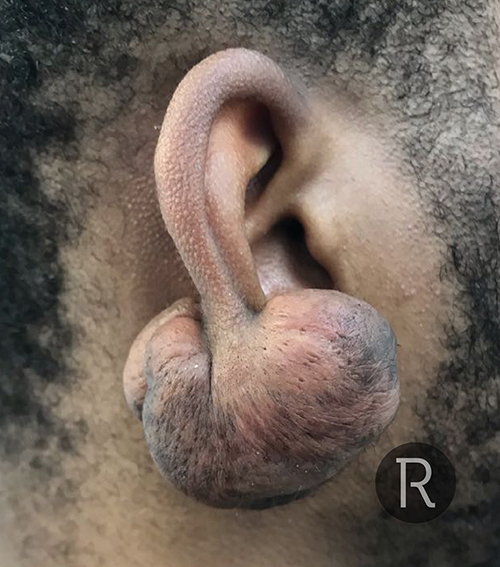
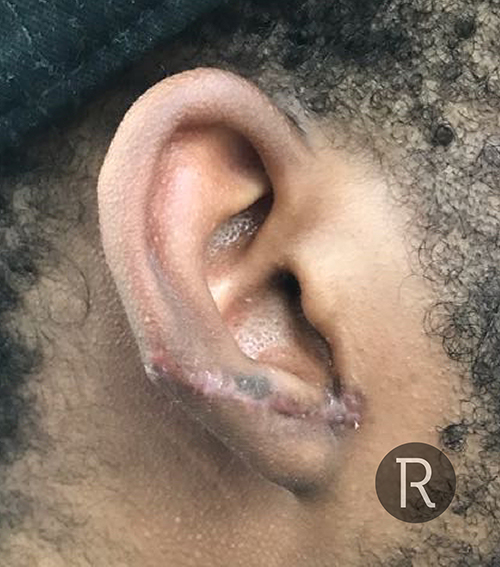
Before
After
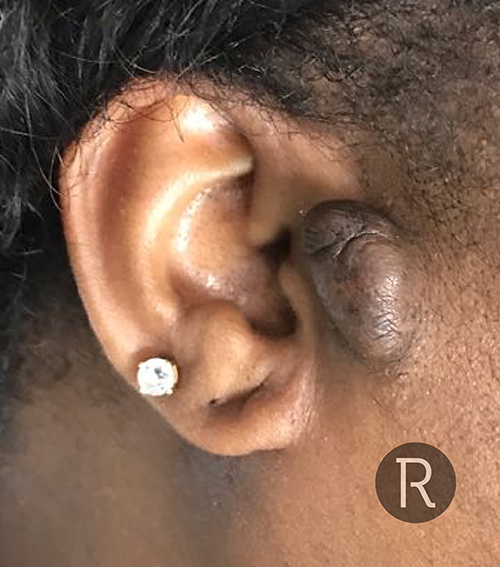
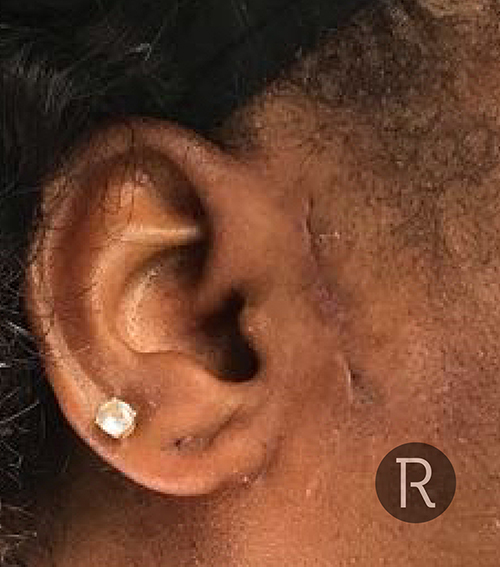
Before
After
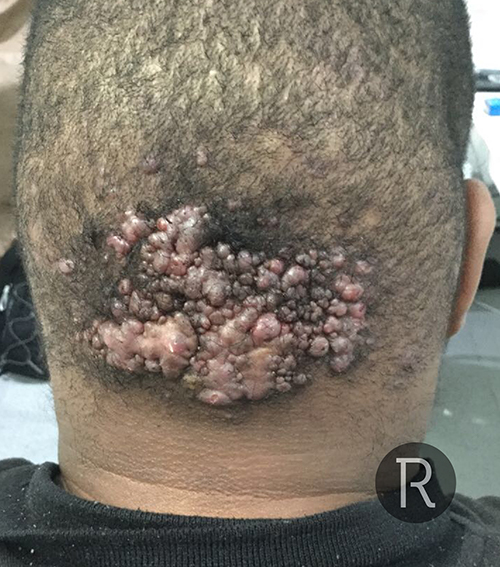
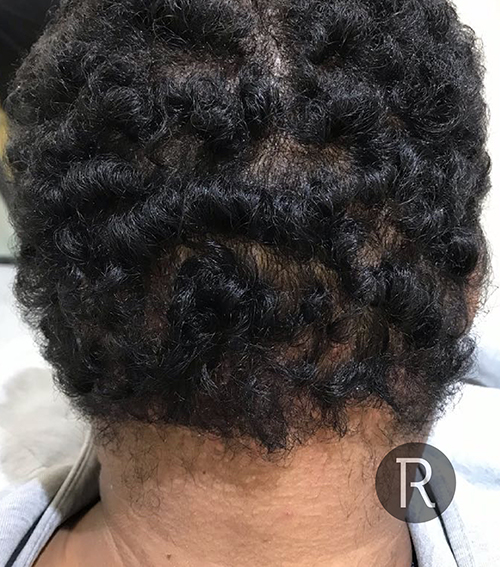
Before
After
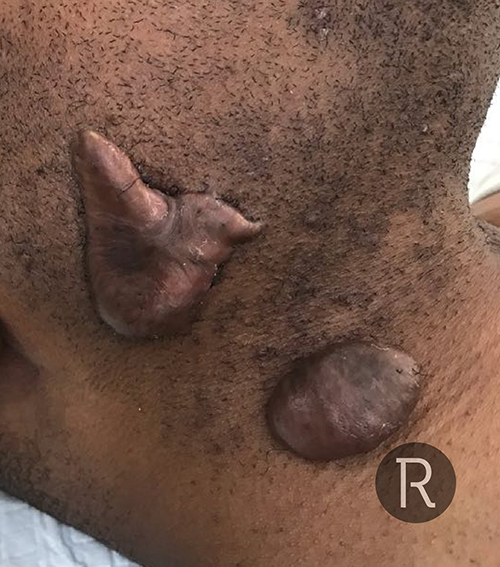
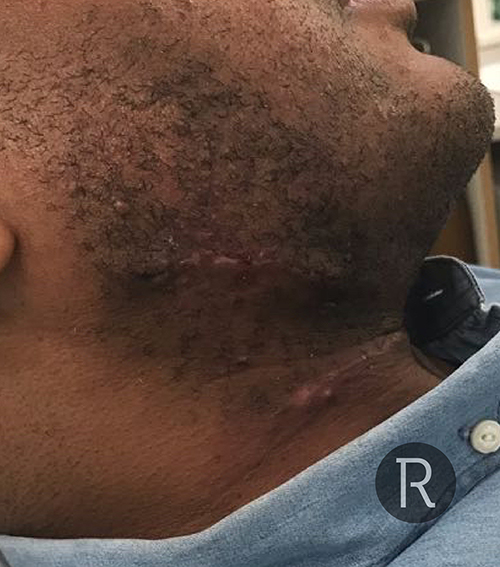
Before
After
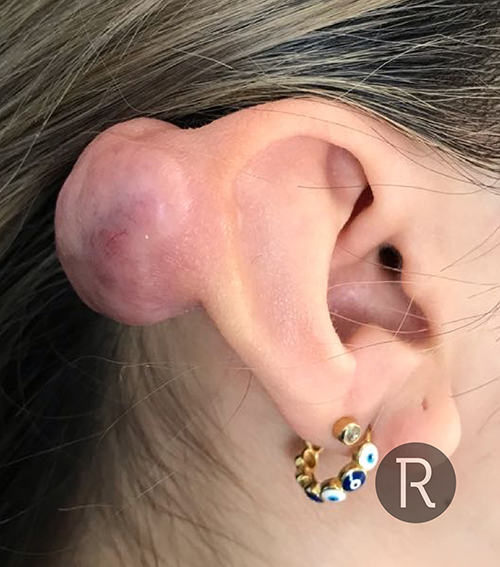
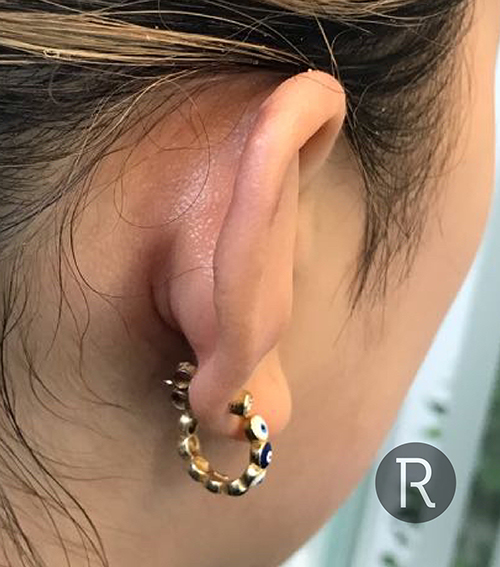
©Individual results may vary.
- Steroid Injection – £115 (up to 1ml)
- Steroid Injection – £175 (up to 2mls)
- Steroid Injection – £225 (up to 3mls)
- Steroid Injection w Target Cool – £155 (up to 1ml)
- Steroid Injection w Target Cool – £225 (up to 2ml)
- Steroid Injection w Target Cool – £275 (up to 3ml)
- Flurouracil (5FU) – £165 (per session)
- Flurouracil (5FU) & Steroid Injection – £245 (per session)
- Nd:YAG Laser – from £200 (per session)
- Exciplex – £45 per session
- Cryotherapy – £150 (1 ampule) per session
- Cryotherapy w Target Cool – £200 per session
- Surgical Excision – POA
Our Doctors – Keloid Scar Specialists at Rejuvence Clinic
Keloid scars often require a structured, experience-led approach that combines medical and surgical expertise. At Rejuvence Clinic, keloid management is delivered by a dedicated team with clearly defined clinical roles, ensuring patients benefit from both advanced non-surgical therapies and specialist surgical intervention where appropriate.
Dr Sam Ghani
Surgical & Non-Surgical Lead for Keloid Removal
Dr Sam Ghani is the surgical lead for keloid scar removal at Rejuvence Clinic. He has significant experience managing complex and recurrent keloids, including patients who have undergone multiple treatments or surgery elsewhere without sustained control. Dr Ghani’s surgical philosophy is firmly centred on recurrence prevention, and surgery is always considered as part of a broader long-term treatment plan. He works closely with the medical team to ensure that surgical intervention is appropriately timed and supported by structured follow-up and aftercare.
Dr Naeem Mitha
Medical Lead for Non-Surgical Keloid Treatments
Dr Naeem Mitha leads the non-surgical management of keloid scars at Rejuvence Clinic. He has extensive experience in the medical treatment of keloids, with a particular focus on laser-based therapies and combination treatment strategies aimed at controlling scar activity, symptoms, and progression. Dr Mitha plays a central role in the long-term management of patients with recurrent or active keloids, prioritising early intervention, prevention of flare-ups, and realistic outcome planning. His work is especially important for patients requiring ongoing scar control rather than surgical removal.
Intralesional steroid injections for keloid scars?
Injection of steroid into keloid scars, also known as intralesional steroid injections, has been shown to produce positive results and is considered to be first line treatment.
After a series of repeated treatments over the course of a few months, steroids can help to shrink keloid scars. Steroids can also help with other symptoms associated with keloids including itching and to some extent pain.
Side effects associated with steroid treatment include lightening of the skin over the keloid (also known as hypopigmentation) and thinning of the skin (atrophy). Hypopigmentation is normally temporary and can be reversed with application of a specific ointment. When combined with YAG laser treatment there tends to be a reduced incidence of hypopigmentation. Thinning of the skin (also known as atrophy) can result in ‘pitting’ or ‘dipping’ of scars. Correct dosing of steroid injections is vital as well as an appreciation for the ethnic background of the patient and their skin type. Darker skin types such as Afro-Carribeans tend to require much higher doses of steroid than lighter skin types such as Mediterranean ethnicities. The steroid injections themselves can be sore. It is often necessary to add in some local anaesthetic with the steroids and use topical anaesthetic creams prior to treatment.
Can YAG Laser help improve keloid scars?
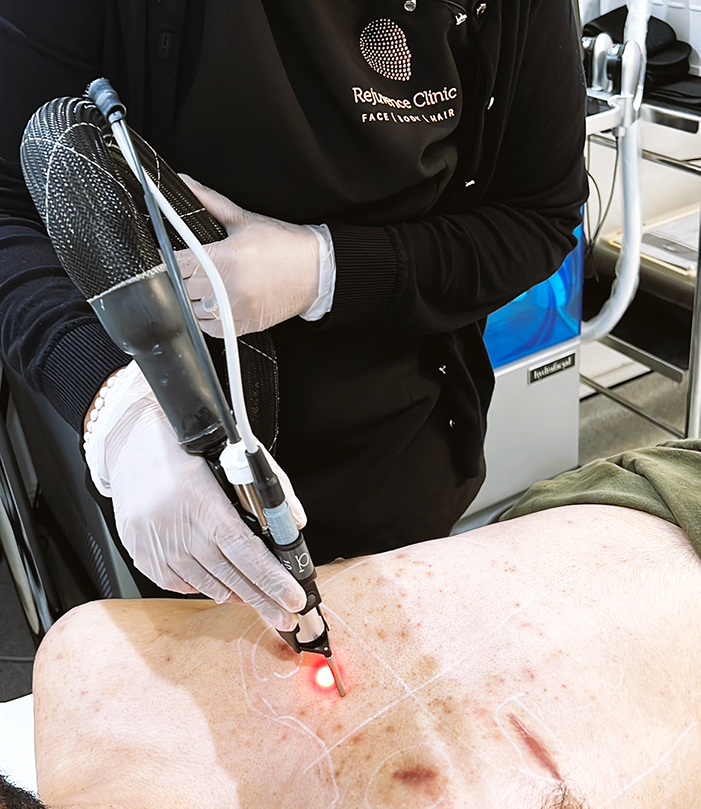
Laser treatment in the form of YAG laser has been found to be very effective in the treatment of hypertrophic and keloid scars especially in Skin Types I-IV. YAG laser targets the superficial blood vessels in scars and can help to improve the colour of keloids especially where they appear very red and inflamed. YAG laser also results in the transfer of heat to the deep dermis (deep layer of the skin) and breakdown of the scar followed by new and more organised collagen regrowth improving hypertrophic and keloid scars. YAG laser in combination with intralesional steroid and chemotherapy (5-FU) treatment has been shown to demonstrate excellent cosmetic improvement in the appearance of keloids. For further information on laser treatment options for hypertrophic and keloid scars at Rejuvence click here.
Prevention and Recurrence of keloid scars
Can keloid scars be prevented – and how can recurrence be controlled long term?
Keloid scars are a long-term scarring condition. There is currently no permanent cure for keloid scars, and some people have an ongoing tendency to form keloids after skin injury or inflammation. Although a cure is not available, keloids can often be brought under control with a consistent plan, careful monitoring, and timely treatment when changes occur.
At Rejuvence Clinic, we focus on practical, prevention-led care aimed at improving symptoms (such as itch and tenderness) and helping reduce the chance of flare-ups.
Key points
- There is no permanent cure for keloids
- Long-term control is often possible with structured care
- Early review is important if a keloid becomes more raised, red, itchy, or painful
If you’re experiencing a recurrent or progressive keloid scar, we recommend booking a consultation so we can plan both short-term control and long-term prevention.
Is there a cure for keloid scars?
At present, keloid scars do not have a definitive cure. Keloids reflect an abnormal wound-healing response, and people who form keloids may remain prone to developing them after future triggers (including skin trauma, inflammation, or procedures). Treatment aims to reduce activity and symptoms and to support long-term stability, rather than promising permanent removal.
Key points
- No guaranteed “cure” exists for keloids
- Treatment goals are symptom reduction and long-term stability
- Ongoing tendency may persist even after improvement
If you want a clear plan with realistic outcomes, a specialist assessment can help you understand what’s achievable for your scar.
How does Rejuvence Clinic help reduce keloid recurrence?
Reducing keloid recurrence usually requires more than a single treatment. Our doctors are focused on achieving an early improvement where possible while also building a mid- to long-term strategy to help keep keloids in check. We also emphasise access and continuity, because ongoing support can make a meaningful difference in long-term scar control.
Key points
- Plans consider short-, mid-, and long-term scar control
- Early review is encouraged when a scar becomes more active
- We prioritise continuity and accessibility for long-term patients
To start a prevention-led plan, book a consultation so we can map out both immediate options and longer-term follow-up.
Why are combination treatments used for keloids?
Keloids are complex scars, and different drivers (inflammation, thickness, symptoms, skin tension, and repeated irritation) can be involved. For that reason, a combination approach is commonly used to support better control over time, rather than relying on one treatment alone. Your plan is tailored to your scar location, activity level, and history.
Key points
- Combination strategies often address multiple aspects of keloid behaviour
- Treatment is tailored to scar location and activity
- Plans may evolve depending on response over time
If you’ve tried single treatments without lasting control, we can review whether a combination strategy may be more suitable for you.
How important are consistency and follow-up?
Consistency is a key part of long-term keloid management. Keloids may change gradually, and early action when a scar becomes more active may help limit progression. At Rejuvence Clinic, we aim to make follow-up straightforward, and we encourage ongoing communication for patients managing keloids long term.
Key points
- Keloids may require ongoing monitoring
- Early review may help when a keloid becomes more active
- Consistent aftercare can support long-term control
If you notice early changes in a keloid, contact the clinic promptly so we can advise next steps.
Can keloids improve after unsuccessful treatment elsewhere?
Yes. Many patients come to Rejuvence Clinic after multiple treatments elsewhere without achieving stable control. A fresh assessment can identify factors such as ongoing triggers, timing, scar activity, and whether the plan needs to be adjusted. While outcomes vary between individuals, a structured approach may still improve control.
Key points
- Previous treatment failure does not rule out improvement
- Reassessment can reveal ongoing triggers and opportunities
- Individual outcomes vary and depend on scar behaviour and risk factors
If you feel “stuck” with a recurrent keloid, a specialist review can help clarify realistic options and next steps.
Do underlying skin conditions affect recurrence?
Yes. Ongoing inflammation or repeated trauma can increase the risk of keloid flare-ups and recurrence. In some patients, treating the keloid alone is not enough—underlying drivers also need management. This is particularly relevant in conditions such as recurrent acne, acne keloidalis nuchae (AKN), ingrown hairs, and recurrent folliculitis.
Key points
- Recurrent acne and AKN can maintain inflammation
- Ingrown hairs/folliculitis can repeatedly trigger scar activity
- Certain grooming practices (including shaving) may worsen recurrence
If you have recurring inflammation in the same area, we recommend addressing it alongside keloid treatment to support longer-term control.
Can piercing practices worsen or trigger keloids?
Yes. Piercing is a common and avoidable trigger for keloid formation and recurrence, especially in people with a keloid tendency. Risk increases when piercing is performed in higher-tension areas (including cartilage), when there is poor aftercare or infection, and when people re-pierce through existing scar tissue. Unregulated or ill-advised piercing practices can increase trauma, irritation, and delayed healing, which may worsen outcomes.
Key points
- Piercing can trigger new keloids or reactivate previously controlled scars
- Cartilage piercings generally carry higher risk than soft tissue (e.g., earlobe)
- Re-piercing through scar tissue significantly increases recurrence risk
- Infection, pressure/trauma, and poor aftercare can worsen scarring
- High-risk patients are often best advised to avoid piercing
If you have a history of keloids and are considering a piercing, we recommend discussing risks with a specialist beforehand.
What can patients do to reduce recurrence risk?
Long-term keloid control works best as a partnership. Patients who are realistic about outcomes, attend follow-up when needed, and reduce avoidable triggers often achieve more stable results. Where there are modifiable risk factors (such as ongoing inflammation, friction, or grooming triggers), addressing these can support prevention.
Key points
- Realistic expectations support better decision-making
- Consistent follow-up helps identify early recurrence
- Reducing triggers (irritation, inflammation, repeated trauma) matters
If you’re unsure what triggers apply to your scar, we can help you identify practical changes to support prevention.
Does Rejuvence Clinic review new options for keloid control?
Yes. Keloid management continues to develop, and we keep treatment strategies under review as clinical practice and evidence evolve. Any plan is tailored to you and may be adjusted based on response, risk factors, and safety considerations.
Key points
- Treatment plans can be updated as needs change
- Options are individualised and reviewed over time
- Safety and suitability remain central to decision-making
If you’re under long-term care, we can review your plan periodically and adjust it where appropriate.
Hypertrophic scars are slightly different to keloids in that they are also raised large growths of excessive amounts of collagen but are restricted to the boundaries of a wound or cut. They do not grow beyond this whereas keloids do. On the whole they are much smaller and often slightly more responsive to treatments.
Recent research has shown that the best results for keloid and hypertrophic scars are achieved through a combination of treatments as opposed to relying on a single treatment. Recent published research has shown that intralesional scar injections with muscle relaxing toxins (the same medication used in wrinkle relaxing injections for the face) and certain specific chemotherapy agents (5-FU) can be combined with other treatment options to improve the results of keloid scar treatment. At Rejuvence we especially use muscle relaxing toxin injections prior to and after surgical excisions of certain types of keloid scars. We have found that this can significantly reduce any rates of recurrence and we especially use this for the treatment of keloids on the scalp and back of the head – Acne Keloidalis Nuchae.
Often, many patients would prefer for their keloid scars to be completely removed through excision (cutting out). This can be performed depending on where the keloids are and is normally carried out under local anaesthetic. However, it is very important to bear in mind that there can be a high rate of recurrence and sometimes the keloids can come back more aggressively. Once excised, immediate repeated treatments with steroid injections can help to reduce the risk of recurrence and some large specialist units advocate using radiotherapy in the postoperative period to further reduce the risk of keloids coming back.
Surgery for keloids specifically on the ear, in combination with steroid injections and the regular use of a compression earring can help reduce the recurrence rate significantly. At Rejuvence we have managed to achieve excellent results with low rates of recurrence through this approach.
Cryotherapy for the removal of keloid scars is a well established treatment option. Cryotherapy can be intralesional and surface cryo. Intralesional cryotherapy involves freezing the keloid from the inside by injecting a probe into the keloid and treating it with liquid nitrogen. This results in the scar shrinking. Surface cryotherapy consists of freezing the keloid on it’s surface. Studies have shown, however, that final outcomes with traditional excision and steroid therapy are still better than cryotherapy. At Rejuvence Clinic we recommend excision over cryotherapy. However, there are instances where cryotherapy is more appropriate. At Rejuvence we have the experience to judge which techniques are likely to give the best results.
Following complete excision of a keloid you will still be left with a scar. Keloids are always the result of a cut to the skin that has not healed normally. By excising the keloid we are giving it a second chance to heal naturally. Often following keloid excision you will be left with a scar that is slightly longer, but thinner and flatter with a much improved overall appearance. We can never make it disappear. It is then up to you to ensure you look after it well using a combination of steroid injections, compression and silicone gel massage and sheets.
Compression garments are often useful alongside silicone gel sheets but more so as a preventative measure rather than a sole treatment for established keloid scars. They are often used after the keloids have been surgically removed in an attempt to prevent them from coming back. Sustained physical pressure over the scar helps to prevent the build up of collagen above the scar and hence reduces the risk of a keloid reforming. At Rejuvence Clinic we recommend using compression garments where possible to prevent recurrence of the keloid. We can provide compression garments at an additional cost.
Silicone gel is often recommended for use after any surgical procedure to improve the appearance of scars. Regular massage of scars, once they have completely healed, helps to organise the skin cells and keep them flat and in line. Silicone gel sheets are also extremely helpful for the improvement of the appearance of scars. We always recommend using silicone gel and silicone strips after keloid surgery.
Dr Sam Ghani
MBBS BSc MRCSEd FRCEM MSc Aesthetic Medicine
GMC: 6103460
View Dr Ghani’s GMC Registration
Authored & Reviewed by Dr Ghani
This page was authored by Dr Ghani, a UK-registered medical doctor with extensive experience in aesthetic medicine, regenerative treatments, laser dermatology and minor surgery. Dr Ghani holds a Master’s degree in Aesthetic Medicine and is a Member of both the Royal College of Surgeons of Edinburgh and the Royal College of Emergency Medicine. His clinical focus includes advanced injectable treatments, energy-based devices, regenerative medicine applications and evidence-based aesthetic care. Dr Ghani is known for combining strong academic knowledge with meticulous clinical standards, ensuring patient safety and natural, clinically appropriate outcomes.